Source Plastic Pouch Heat Sealing Machine for Food and Cosmetics
Find and compare 30 plastic pouch heat sealing machine options from Chinese manufacturers. Evaluate models like the FR-770 and WLD-SP9 for sealing speeds, power supplies, and automation grades to suit your packaging needs.
Key considerations
Products List




Comprehensive Sourcing Guide
Plastic Pouch Heat Sealing Machine Sourcing Guide
Selecting the right plastic pouch heat sealing machine requires a clear understanding of the specific operational needs, material compatibility, and throughput requirements of your production line. These machines are essential for ensuring product integrity, extending shelf life, and maintaining brand presentation across a wide variety of industries. The market offers a diverse range of options, from semi-automatic units suitable for small-batch or artisanal production to fully automatic high-speed systems designed for continuous industrial operation. Buyers must carefully evaluate the machine’s drive type, sealing speed, and automation level to ensure alignment with their current volume and future scalability goals.
The procurement process involves navigating a complex landscape of technical specifications, compliance standards, and commercial terms. Observed market data indicates a significant price range, reflecting the disparity between basic manual or semi-automatic sealers and advanced automatic systems with integrated printing and data management capabilities. Understanding these variations is crucial for budgeting and selecting a supplier who can provide reliable after-sales support and genuine customization options. This guide provides a structured approach to evaluating suppliers, verifying technical claims, and establishing robust quality control measures for plastic pouch heat sealing equipment.
Product Scope and Observed Listing Signals
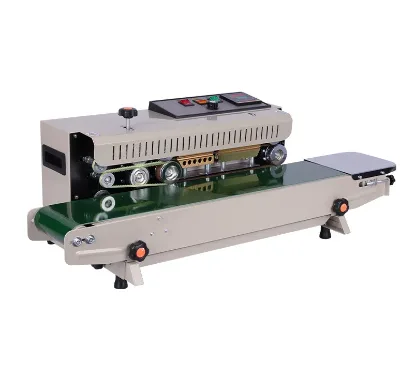
The observed product listings reveal a broad spectrum of sealing technologies, primarily categorized by their automation level and functional capabilities. Semi-automatic models, such as the a.W.E branded units, are often designed for simpler tasks like basic bag sealing and are characterized by their ease of operation and lower initial cost. These machines typically feature electric drives and are packaged in standard export cartons or wooden cases for protection during transit. In contrast, automatic models, such as the WLD series, offer higher precision and speed, often integrating advanced features like date coding, batch numbering, and QR code printing. These systems are built for higher throughput and are frequently constructed with customizable materials to handle different pouch types, including plastic and paper-based packaging.
Listing signals also highlight the versatility of these machines in handling various product applications. The observed data indicates that these sealers are suitable for a wide array of goods, including seasonings, rice, flour, snacks, fish, meat, vegetables, fruits, tea, cosmetics, and cleaning detergents. This broad applicability suggests that buyers should not limit their search to niche-specific machines but rather focus on the machine’s ability to handle the specific thickness, texture, and sealing requirements of their chosen packaging material. Additionally, the presence of models with specific sealing speeds, ranging from 0-12m/Min to 0-30m/Min, provides a clear indicator of the machine’s capacity to meet different production line speeds. Buyers must match these observed speeds with their actual production demands to avoid bottlenecks or underutilization of equipment.
Technical Specifications to Verify
When evaluating technical specifications, the sealing speed and drive mechanism are primary considerations that directly impact production efficiency. Buyers should verify the actual sealing speed of the machine, as observed listings show ranges from 0-12m/Min to 0-30m/Min, depending on the model and automation level. Higher speeds are typically associated with automatic systems like the WLD-FD8 or WLD-SP9, which are designed for continuous operation. It is crucial to confirm whether the stated speed is consistent across different pouch thicknesses and materials, as performance can vary significantly with changes in packaging substrate. Additionally, the power supply requirements, which can range from 3-75kw, must be carefully matched with the facility’s electrical infrastructure to prevent overloads or inefficiencies.
Another critical aspect is the machine’s interface and connectivity options, which are increasingly important for modern production environments. Advanced models, such as the WLD-SP9, offer external interfaces including USB, RS232 ports, and Wi-Fi, enabling seamless integration with factory management systems and data logging. Buyers should verify the compatibility of these interfaces with their existing software and hardware infrastructure. Furthermore, the physical dimensions and weight of the machine, such as the 840(L)*380(w)*357(H)mm footprint for some automatic units, must be considered in relation to the available floor space. The loading weight, which can be around 15kg for some models, also impacts installation and maintenance logistics. Ensuring that the machine’s physical and digital specifications align with operational constraints is essential for a successful deployment.
Compliance and Safety Documentation
Compliance and safety are non-negotiable aspects of sourcing industrial machinery, and buyers must ensure that all equipment meets relevant regional and international standards. While specific certification statuses can vary by supplier and model, observed listings frequently mention SGS certification, which indicates a level of quality and safety assurance. Buyers should request valid certification documents for each machine, verifying that they are current and issued by accredited bodies. It is also important to check for other common industrial certifications, such as CE marking for European markets or ISO standards for quality management, although these should be verified on a case-by-case basis rather than assumed.
Safety features and operational safeguards are equally critical, particularly for automatic machines that operate at higher speeds. Buyers should inquire about the presence of emergency stop buttons, protective guards, and interlock systems that prevent operation when safety covers are open. The operating system and user interface should be intuitive and include clear safety warnings and instructions. Additionally, documentation should include detailed maintenance manuals and troubleshooting guides to ensure that operators can safely perform routine checks and address minor issues without risking injury or equipment damage. Verifying that the supplier provides comprehensive safety documentation is a key step in mitigating operational risks and ensuring regulatory compliance.
Cost Drivers and Commercial Terms
The cost of plastic pouch heat sealing machines is influenced by several factors, including automation level, material construction, and additional features like integrated printing or data management. Observed price ranges from $59 to $7,500 reflect this diversity, with basic semi-automatic units at the lower end and complex automatic systems with advanced connectivity at the higher end. Buyers should carefully analyze what is included in the quoted price, such as installation, training, and initial spare parts, to avoid hidden costs. The minimum order quantity (MOQ) is typically low, ranging from 1 to 2 units, which allows for flexibility in initial procurement but may affect unit pricing for larger orders.
Commercial terms, including warranty and packaging, also play a significant role in the total cost of ownership. Most observed listings offer a 12-month warranty, which is a standard industry practice, but buyers should verify the scope of coverage, including parts and labor. Packaging is typically done in standard export cartons or wooden cases, which adds to the shipping cost but is necessary for protecting the machine during transit. Buyers should also consider the lead time and shipping terms, as these can impact production schedules and cash flow. Negotiating clear terms for after-sales support, including the availability of spare parts and technical assistance, is essential for minimizing downtime and ensuring long-term operational efficiency.
Supplier Qualification and Quality Control
Supplier qualification is a critical step in ensuring the reliability and quality of the purchased equipment. Buyers should verify the supplier’s manufacturing capabilities, including their production facilities, quality control processes, and after-sales service network. Observed listings indicate that suppliers are located in various regions, such as Suzhou City, Hubei Province, and Shanghai, China, which may affect logistics and communication. It is advisable to request factory audits or virtual tours to assess the supplier’s operational standards and capacity. Additionally, checking the supplier’s reputation through customer reviews and industry references can provide valuable insights into their reliability and service quality.
Quality control measures should be established before production begins, including clear specifications for materials, dimensions, and performance. Buyers should request detailed technical drawings and material specifications to ensure that the machine meets their exact requirements. Pre-shipment inspections are also recommended to verify that the machine conforms to the agreed-upon standards and is free from defects. Establishing a clear communication channel with the supplier for addressing any issues during installation and commissioning is crucial. By implementing rigorous supplier qualification and quality control processes, buyers can mitigate risks and ensure that the purchased equipment performs as expected in their production environment.
Long-Term Procurement Checks
Long-term procurement success depends on establishing a sustainable relationship with the supplier and ensuring ongoing support for the equipment. Buyers should prioritize suppliers who offer comprehensive training programs for operators and maintenance staff, as this reduces the risk of operational errors and extends the machine’s lifespan. Regular maintenance schedules and access to genuine spare parts are essential for minimizing downtime and maintaining consistent performance. Buyers should also consider the supplier’s ability to provide upgrades or modifications as production needs evolve, ensuring that the equipment remains relevant and efficient over time.
Continuous monitoring of the machine’s performance and feedback from operators can provide valuable insights for future procurement decisions. Tracking metrics such as sealing quality, speed consistency, and maintenance frequency can help identify potential issues early and inform decisions about additional equipment purchases. Building a relationship with a reliable supplier who understands the buyer’s specific needs and can provide tailored solutions is key to long-term success. By focusing on these long-term checks, buyers can ensure that their investment in plastic pouch heat sealing machines delivers sustained value and supports their production goals.
FAQs
What sealing speeds are available for plastic pouch heat sealing machines?
Sealing speeds typically range from 0-12m/Min to 0-30m/Min depending on the specific model. Some units offer variable speeds to accommodate different production requirements. This flexibility allows operators to adjust output rates based on the material thickness and desired seal quality for optimal efficiency.
Can these machines handle different packaging materials like plastic and paper?
Yes, the machines are designed to seal various materials including plastic, paper, and film. They support flexible container sealing for diverse product types. This versatility ensures that businesses can use the same equipment for different packaging needs without requiring specialized machinery for each material type.
What certifications are provided for the plastic pouch heat sealing machines?
The machines come with SGS certification to ensure quality and safety standards. This certification verifies that the equipment meets specific industrial requirements. Buyers can rely on this documented standard for compliance and operational reliability in their manufacturing or packaging processes.
How is the warranty structured for these sealing machines?
A 12-month warranty is provided for the equipment. This coverage ensures support for the first year of operation. Buyers receive assurance regarding the machine's condition and functionality, with support available to address any initial operational issues or defects during this period.
What customization options are available for the sealing machines?
Customization is available for various aspects of the machine, including material types and specific operational needs. Buyers can request adjustments to fit their unique production lines. This flexibility allows for tailored solutions that align with specific industry requirements and packaging specifications.
What is the power supply requirement for these machines?
The power supply ranges from 3-75kw depending on the model and configuration. This range accommodates different industrial power setups. Buyers should verify their facility's electrical capacity to ensure compatibility with the selected machine's specific power requirements for safe and efficient operation.